
When people talk about buying a car, the conversation often starts with performance, fuel economy or the latest technology. Yet when you strip everything else away, the single most important factor remains safety. Whether it’s the school run, the daily commute or a long motorway journey, drivers want the reassurance that their vehicle will protect them if the unexpected happens.
Over the past decade, vehicle safety has evolved at an astonishing pace. Modern cars are built with highly engineered crash structures, multiple airbags and increasingly sophisticated electronic systems designed to prevent accidents altogether. Technologies such as autonomous emergency braking, lane-keeping assistance and driver monitoring systems are no longer exclusive to luxury models — they are becoming standard across the industry.
In Europe, the Euro NCAP testing programme remains the most widely recognised benchmark for vehicle safety. Cars are subjected to a range of demanding impact tests and evaluated for both occupant protection and their ability to avoid collisions in the first place. Only vehicles that perform consistently well across all categories achieve the coveted five-star rating.
With those standards in mind, we’ve looked at several standout models available in 2026 that combine excellent crash protection, advanced safety technology and dependable real-world performance. Here are five cars that currently rank among the safest choices for drivers.
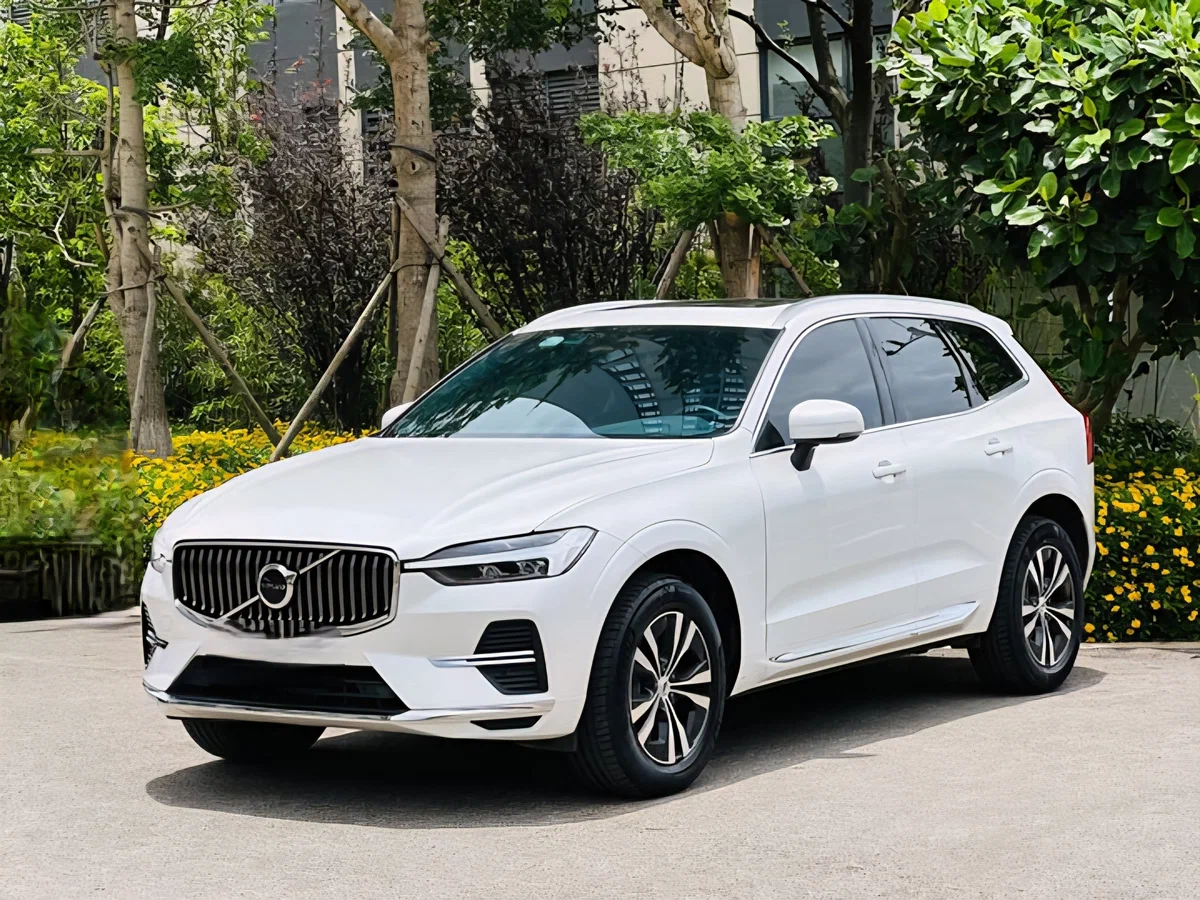
A family SUV built around safety
Few manufacturers are as closely associated with automotive safety as Volvo. The Swedish brand has spent decades refining its approach to protecting drivers and passengers, and the XC60 is a clear reflection of that philosophy.
The midsize SUV consistently performs exceptionally well in crash testing thanks to its rigid safety cell and carefully designed crumple zones. Beyond physical protection, the XC60 is also equipped with an extensive suite of driver-assistance technology intended to prevent accidents before they occur.
The XC60’s blend of passive protection and intelligent assistance systems makes it one of the most confidence-inspiring SUVs currently on sale.
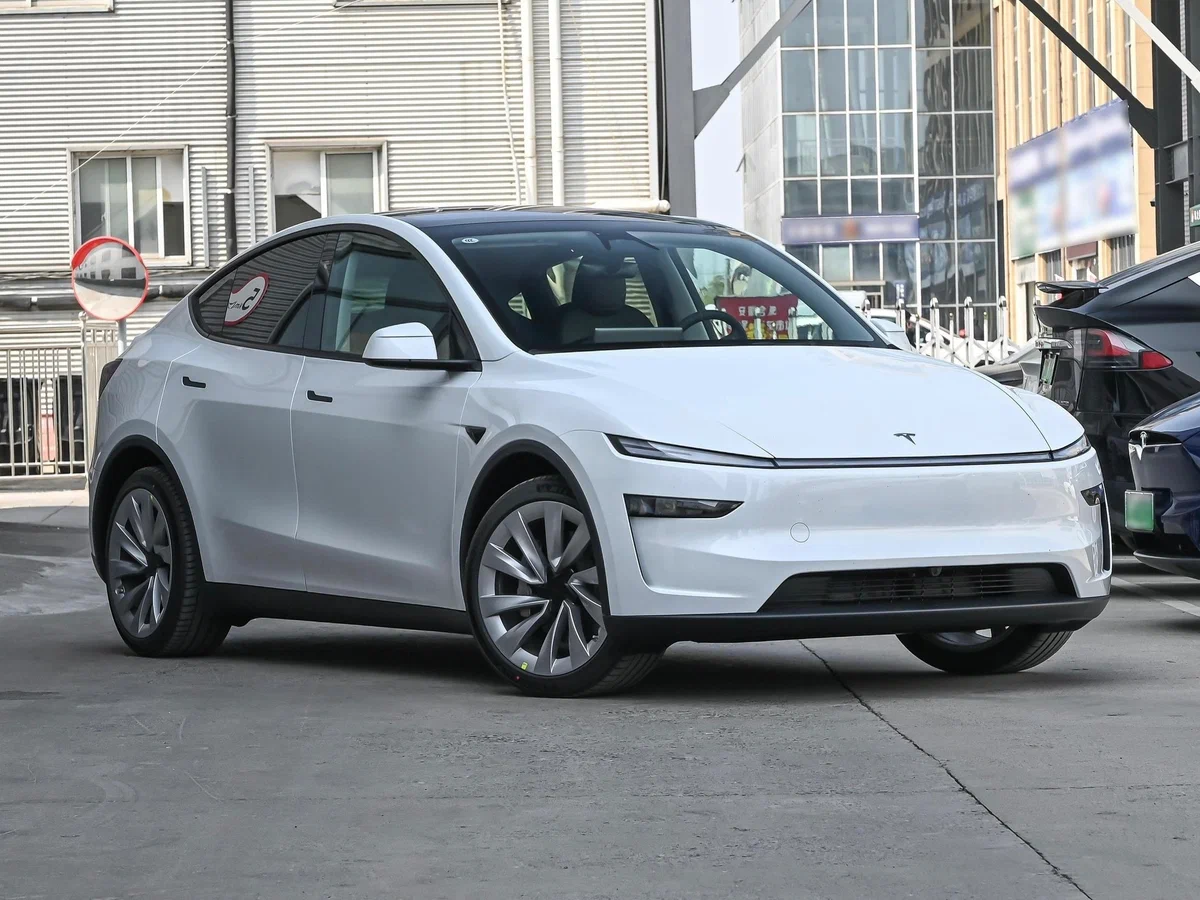
Electric design with impressive structural safety
The Tesla Model Y has rapidly become one of the most popular electric vehicles in Europe, and its strong safety performance plays a significant role in that success.
Unlike conventional petrol or diesel vehicles, electric cars have a different structural layout. With the battery pack mounted low in the chassis, the Model Y benefits from a low centre of gravity and a very rigid floor structure. This contributes both to stable handling and strong crash performance.
Tesla also places heavy emphasis on accident prevention through software-driven technology.
One unique advantage of Tesla vehicles is the ability to refine and improve safety systems remotely through software updates, meaning the car’s technology can evolve long after purchase.
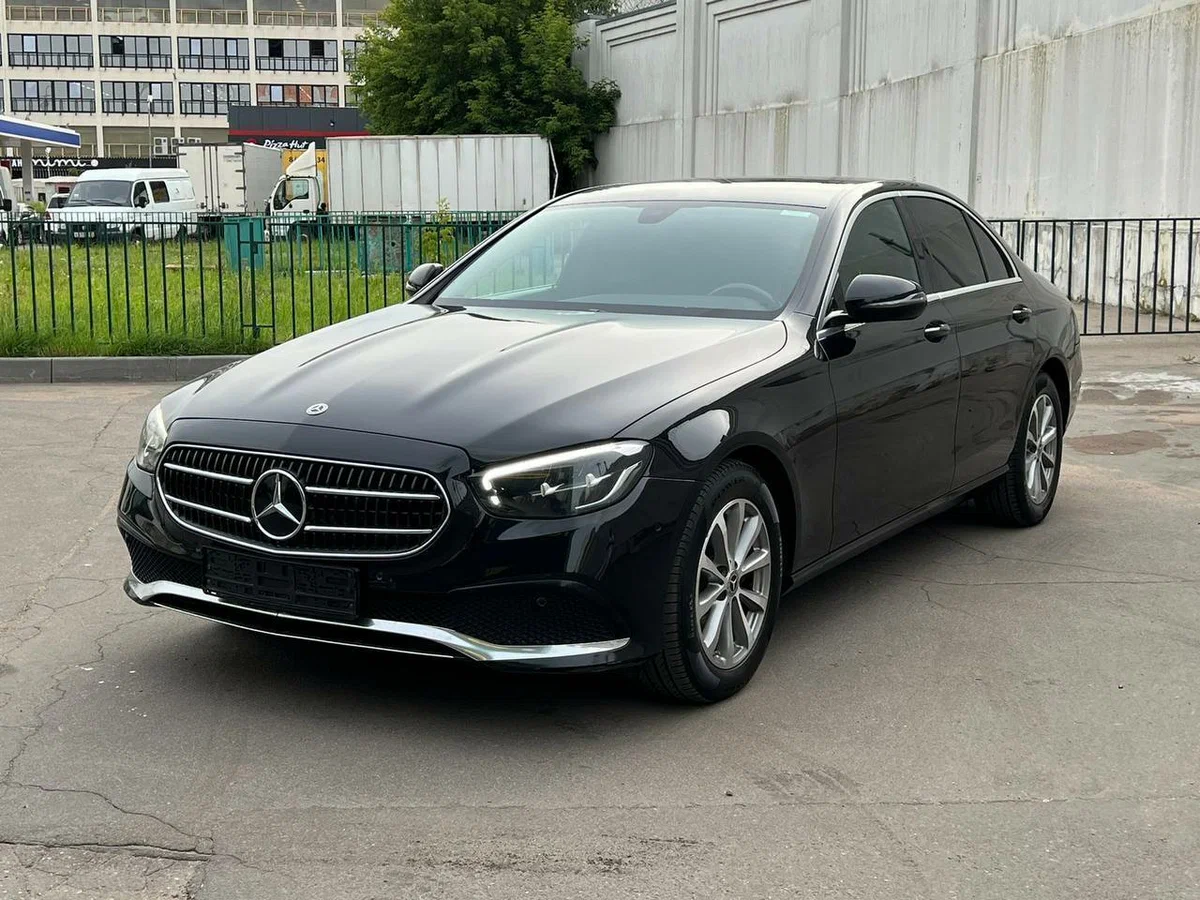
Executive comfort combined with advanced safety engineering
The Mercedes-Benz E-Class has long been regarded as one of the most technologically advanced saloons in its segment. The latest generation continues that tradition with a comprehensive range of driver-assistance systems designed to reduce the likelihood of accidents.
Mercedes engineers have focused not only on crash protection but also on predictive safety technology that can detect potential hazards early and react faster than a human driver could.
Together, these systems use a combination of radar, cameras and sensors to monitor the surrounding traffic and assist the driver in avoiding dangerous situations.
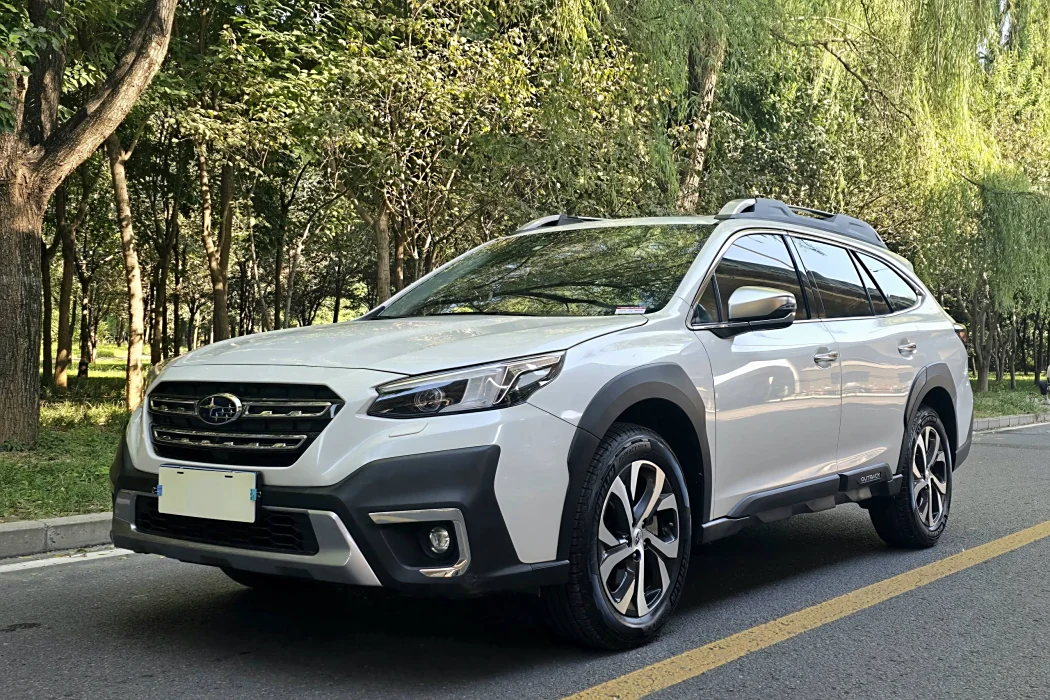
Durable engineering with dependable all-wheel-drive safety
The Subaru Outback occupies a slightly different niche from the other vehicles on this list. Part estate, part crossover, it has built a loyal following among drivers who prioritise reliability and stability in challenging conditions.
Subaru’s symmetrical all-wheel-drive system provides excellent traction on wet roads and uneven surfaces, while the brand’s reinforced body structure contributes to strong crash performance.
An additional practical benefit for owners is that Subaru key systems are generally simpler and less expensive than those found in many premium European brands. If a driver loses their key, car key replacement tends to be more affordable than with luxury manufacturers, which can be a welcome advantage over the lifetime of the vehicle.
Practical, efficient and exceptionally dependable
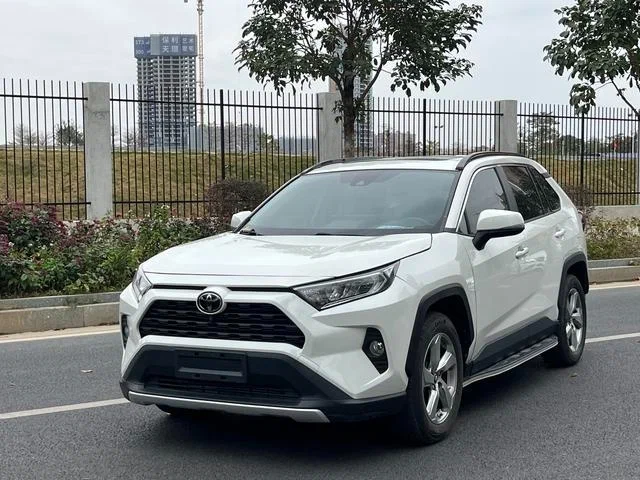
The Toyota RAV4 has become a staple among family SUVs thanks to its reputation for reliability and efficiency. The hybrid powertrain delivers strong fuel economy while maintaining solid performance for everyday driving.
Equally important is the comprehensive Toyota Safety Sense package fitted as standard across most models.
For families looking for a dependable SUV with modern safety technology, the RAV4 remains one of the most sensible choices on the market.
Vehicle safety today extends far beyond traditional crash protection. The safest modern cars combine multiple layers of protection designed both to prevent accidents and to minimise injury if one does occur.
Key elements include:
These developments mean that today’s vehicles are not only better at protecting occupants in an accident but increasingly capable of preventing collisions altogether.
Automotive safety has advanced enormously in recent years, and the models highlighted above demonstrate just how sophisticated modern vehicles have become. Whether it’s the engineering focus of Volvo, the software-driven technology of Tesla or Toyota’s reputation for dependable safety systems, each of these cars offers excellent protection for drivers and passengers.
For motorists, that progress translates into greater peace of mind on every journey — from daily commuting to longer road trips.
Of course, even the most advanced car can’t eliminate every inconvenience of ownership. Misplaced keys, damaged fobs or electronic faults are surprisingly common issues for drivers. When situations like that arise, specialist services such as Phoenix Car Keys provide fast and reliable car key replacement, helping motorists get back on the road without unnecessary delay.
After all, while modern cars are designed to keep us safe behind the wheel, practical support outside the vehicle is just as important when unexpected problems appear.